


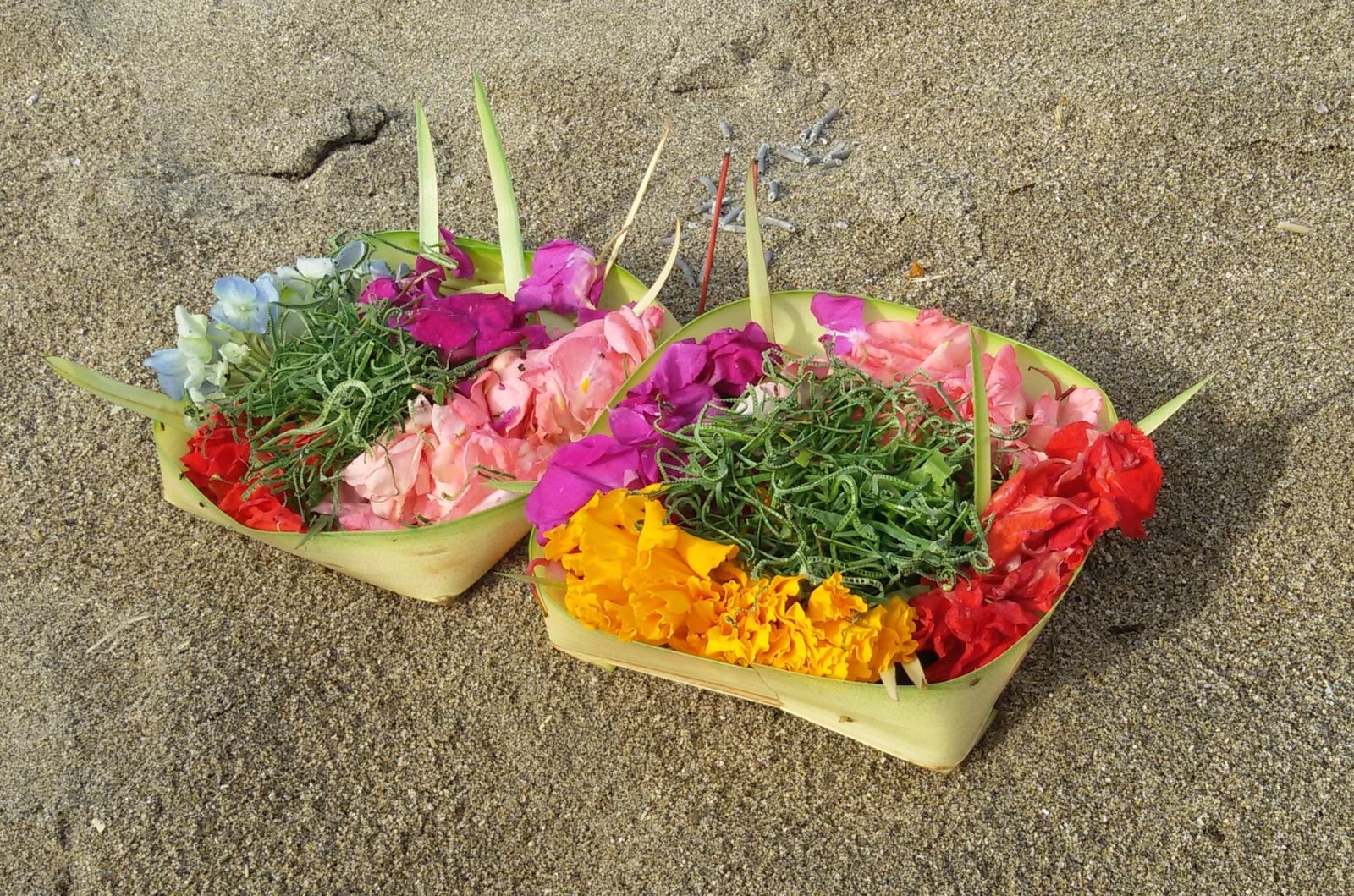
In Bali, daily life unfolds around a quiet ritual that speaks louder than words. The Art of Canang Sari Offerings is more than decoration; it is a living practice that binds the island’s people to their gods, ancestors, and to one another. At Gravity Bali, we see Canang Sari offerings not only as cultural artifacts but as an invitation to guests to slow down, observe, and participate in a sacred rhythm. This guide explores what Canang Sari offerings are, why they matter, how they are crafted, and how visitors and guests can respectfully witness or participate in this enduring Balinese tradition.
The practice sits at the intersection of art, spirituality, and daily life. The Art of Canang Sari Offerings is not a single ritual but a living tradition that varies by village, temple, and family. Yet certain elements recur: woven palm or banana leaves form the tiny baskets; a color palette of fresh flowers brings life to the composition; and sweet-smelling incense signals reverence. The result is a microcosm of balance and gratitude that travelers can observe, learn from, and honor during a stay at Gravity Bali.
To understand the full beauty of The Art of Canang Sari Offerings, it helps to see both the aesthetic and the intention. The offerings are meant to express gratitude, invite harmony, and keep spiritual forces in equilibrium with human needs. They are not merely decorative; they are acts of faith performed with care and skill. In the pages below, we journey from the basics of what Canang Sari is to the deeper symbolism, practical crafting tips, and ways to respectfully incorporate this ritual into a modern villa experience.
The Art of Canang Sari Offerings: What They Are
The Art of Canang Sari Offerings refer to small, handwoven baskets made from palm or banana leaves. Each piece functions as a stage for offerings to the divine. Typically, these baskets cradle a selection of flowers, rice , sometimes fruit, and a personal item such as incense or a small statue. The arrangement is careful but not ostentatious— Balinese aesthetics favor balance, symmetry, and natural beauty over showiness.
In the Balinese language, Canang Sari translates to a bright sachet of gratitude. The form and color of the flowers can convey specific intentions—purification, protection, or blessing. The practice is deeply rooted in Hindu belief, acknowledging nine deities and the cosmic balance among the gods, humans, and the world. This is the core of The Art of Canang Sari Offerings: it is both a local tradition and a universal gesture of gratitude.
Topical takeaway: The Art of Canang Sari Offerings is a daily, artistic expression of devotion. It is humble in scale but profound in meaning. The baskets rest in homes, temples, and workplaces, visible reminders to live with intention and balance.
The Symbolism Behind The Art of Canang Sari Offerings
Canang Sari offers a window into Balinese cosmology. Each element has symbolic resonance:
- The basket: a natural, living frame that contains offerings and defines space.
- Flowers: color and scent represent beauty, impermanence, and joy.
- Incense: a conduit of prayers toward the divine realm.
- Rice or snacks: sustenance and a gift from the earth.
Together, these components form a micro-ritual that affirms balance between the seen and unseen. The Art of Canang Sari Offerings is thus both a craft and a philosophy: beauty and intention unite to invite harmony into daily life.
How Canang Sari Is Made: Materials, Techniques, and Skill
Crafting Canang Sari is a practiced skill. The process blends patience, precision, and reverence. While beginners can learn simple arrangements, masters in temples and homes perform more elaborate designs that reflect local traditions and seasonal reminders.
Materials commonly include palm or banana leaves, fresh flowers (often a mix of bright colors), incense sticks, and sometimes a small piece of fruit or grain. A thin bamboo stem or toothpick is sometimes used to secure the arrangement. The color choices often have symbolic meanings—red for strength and love, white for purity, yellow for prosperity, and purple for spiritual growth.
Techniques involve shaping the leaf into a neat, square basket, folding edges to create a safe holder for the offerings, and layering flowers in a way that balances fragrance and color. The incense is typically placed at the center or the edge to direct prayers upward. The finished piece is then placed on a shrine, altar, or approach to a temple to greet the divine or to mark a daily ritual.
At Gravity Bali, we encourage guests to observe Canang Sari offerings with respect. If invited to participate, follow the lead of your host or staff. A simple bow, a quiet moment of gratitude, and a gentle step back are appropriate and appreciated forms of participation.
The Art of Canang Sari Offerings in Daily Life: Balinese Etiquette and Respect
Observing Canang Sari in a villa or temple requires mindfulness. Here are guidelines to participate respectfully:
- Observe with quiet, respectful behavior; avoid loud conversations near offerings.
- Do not touch or move offerings without permission.
- Dress modestly when accessing temples or sacred spaces within a villa complex.
- Ask before photographing offerings, especially in intimate family or temple spaces.
- Offer a silent prayer or moment of gratitude if you are invited to contribute.
These practices reflect the Balinese value of harmony with the environment and with the spiritual realm. The Art of Canang Sari Offerings is not a performance art; it is a sacred craft and a daily practice that deserves reverence.
From Craft to Cultural Experience: Integrating The Art of Canang Sari Offerings at Gravity Bali
For Gravity Bali guests, witnessing or participating in Canang Sari can deepen a stay. Villa staff often present Canang Sari as a welcome gesture or as part of morning rituals. Guests may be invited to observe, learn, or even try basic elements under supervision. The experience connects travelers with Balinese culture in a respectful, meaningful way—without turning tradition into a spectacle.
To integrate The Art of Canang Sari Offerings into your itinerary, you can incorporate a short temple walk, a private traditional crafting session, or a Balinese cooking class that finishes with a communal offering ritual. These activities can be scheduled around your villa’s facilities and your personal pace, ensuring an immersive yet comfortable experience.
Internal and External Resources: Deep Dives into Canang Sari
For those who wish to explore further, here are recommended readings and resources that illuminate The Art of Canang Sari Offerings from different perspectives:
- Internal Gravity Bali article: The Art of Canang Sari Offerings – the host page describing the craft, symbolism, and cultural context.
- External authority: Canang sari – Wikipedia – overview of the ritual and its role in Bali’s daily life.
- Further reading: Canang Sari – Bali daily offerings – concise guide to the practice and its meanings.
There are many voices on Canang Sari, but the core message remains: offerings are a way to acknowledge the divine, celebrate life, and maintain balance with the world around us. The Art of Canang Sari Offerings embodies this enduring balance, inviting both locals and visitors to slow down, observe, and participate with respect.
FAQ: The Art of Canang Sari Offerings
Q: What is Canang Sari?
A: Canang Sari is a daily Balinese offering made from palm leaves, flowers, and incense to honor the divine and maintain cosmic balance.
Q: How is Canang Sari made?
A: A small basket is woven from leaves, filled with flowers, incense, and sometimes rice or fruit. The arrangement emphasizes balance and beauty.
Q: Why is Canang Sari important?
A: It expresses gratitude, invites blessings, and sustains harmony between gods, humans, and the universe.
Q: Can visitors participate in Canang Sari rituals?
A: Yes, with guidance and reverence. Follow hosts’ instructions and avoid intrusive behavior near sacred spaces.
Q: How can I incorporate The Art of Canang Sari Offerings into a villa stay?
A: Observe quietly, appreciate the artistry, and consider a guided offering-making session led by staff or a local artisan under supervision.
Conclusion: The Art of Canang Sari Offerings in Modern Bali
The Art of Canang Sari Offerings remains a living thread in Bali’s rich tapestry. It is a reminder that art and devotion can coexist in daily life, in a simple leaf-woven basket and a handful of fragrant flowers. Whether you are a guest at Gravity Bali or a local resident, engaging with Canang Sari with respect offers a doorway to deeper understanding of Balinese culture. The practice teaches presence, balance, and gratitude—qualities that sustain vibrant communities and meaningful travel alike.
Related Reading and Internal Links
For more on Balinese offerings and rituals, see:
The Art of Canang Sari Offerings (Gravity Bali)
Additional insights can be found in our blog about Bali’s daily rituals and offerings and related cultural practices on the Gravity Bali site.
Internal Links
Explore related Gravity Bali articles:
- The Art of Canang Sari Offerings — core guide to Canang Sari.
- Bali Offerings: Meaning and Significance — deeper dive into offerings beyond Canang Sari.
- Balinese Culture and Daily Traditions — broader context for rituals and life in Bali.
External Resources
Further reading from reputable sources:
- Canang sari – Wikipedia
- A Closer Look at Bali’s Sacred Ritual of Canang Sari
- Canang Sari: A Daily Offering in Bali
To experience Canang Sari rituals in an authentic Balinese setting, book a Gravity Bali villa stay and let our team guide you through respectful observation or a hands-on offering session. Book Now and begin your immersive Balinese experience.