














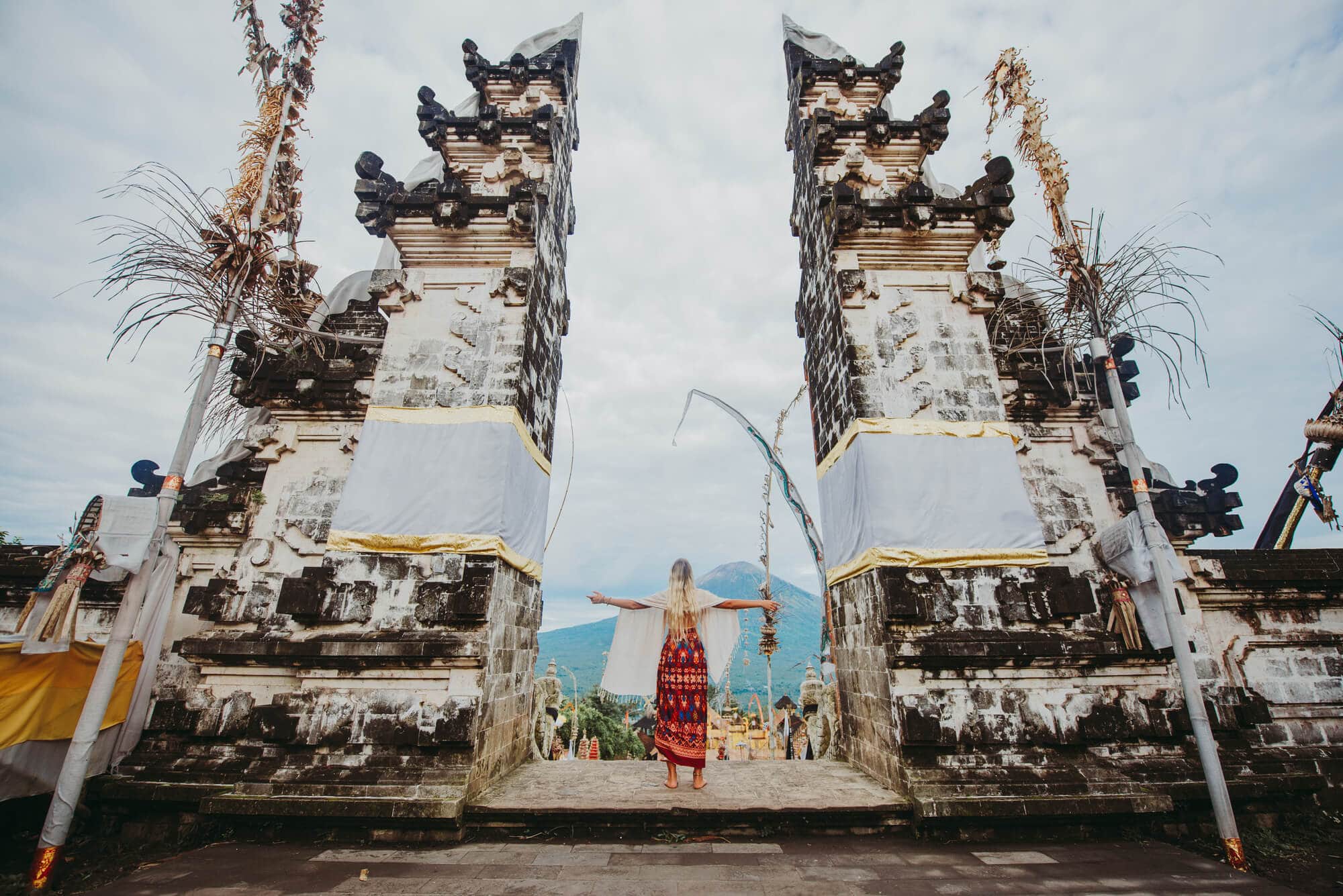
Why Knowing What Not to Do in Bali Matters
Bali is one of the world’s most visited destinations, and for good reason. Its stunning temples, lush landscapes, vibrant culture, and warm hospitality make it a place that leaves a lasting impression on almost every visitor.
But Bali is also a place with deep spiritual roots, strong cultural traditions, and a way of life that deserves genuine respect. Tourists who arrive without a basic understanding of local customs risk causing offence, finding themselves in uncomfortable situations, or worse, facing legal consequences.
Whether you are visiting Bali for the first time or returning for another stay, this guide covers the most important things to avoid so you can enjoy an enriching, respectful, and truly memorable experience.
At Gravity Villa Management, we host guests from around the world in private villas across Bali. Over the years, we have seen first-hand how a little preparation and cultural awareness transforms a good holiday into an exceptional one.
Quick Reference: What to Avoid in Bali
Use this table as a handy overview before diving into the details below.
| カテゴリ | What to Avoid | Why It Matters |
|---|---|---|
| Temples & Religion | Entering without a sarong or sash | Disrespectful to Balinese Hindu customs |
| Offerings (Canang Sari) | Stepping on or over offerings | Sacred objects placed daily by locals |
| Photographing people | Taking photos without permission | Especially at ceremonies and of priests |
| Alcohol & Drugs | Buying or consuming arak / illegal substances | Health risk and serious legal consequences |
| Bargaining | Aggressive or disrespectful haggling | Damages relationships and local livelihoods |
| Traffic & Scooters | Riding a scooter without a licence | High accident rate; legal and insurance risk |
| Environment | Taking sand, shells or coral from beaches | Illegal and environmentally harmful |
| Public behaviour | Displays of anger or raised voices | Deeply offensive in Balinese culture |
| Tipping | Leaving without tipping at restaurants / spas | Expected and greatly appreciated by staff |
| Swimming | Ignoring red flags at the beach | Strong currents cause fatalities every year |
Cultural and Religious Mistakes to Avoid
Don’t Enter Temples Without a Sarong and Sash
Bali is home to thousands of Hindu temples, and they are active places of worship; not tourist attractions. Before entering any temple, visitors are required to wear a sarong (a wrap around the waist) and a sash tied around it.
Most temples provide these at the entrance for a small fee or free of charge. Never attempt to enter a temple without appropriate clothing, and avoid wearing revealing or overly casual attire in and around sacred sites.
Don’t Step On or Over Canang Sari Offerings
Every morning, Balinese Hindus place small woven palm-leaf offerings called canang sari on the ground outside homes, shops, temples, and along streets. These offerings are sacred acts of gratitude and devotion.
As a visitor, always look down when walking in local areas and step around offerings rather than over them. Accidentally stepping on one is forgivable; doing so carelessly is not.
Don’t Photograph Ceremonies or People Without Permission
Bali’s ceremonies are deeply personal and spiritually significant. While it can be tempting to photograph everything, always ask permission before pointing a camera at people, particularly priests, during rituals, or in sacred moments.
Many Balinese are happy to be photographed and will appreciate the respectful gesture of asking first. Some ceremonies are closed to non-participants entirely.
Don’t Touch Someone’s Head
In Balinese Hindu culture, the head is considered the most sacred part of the body. Touching someone’s head, including children, is considered deeply disrespectful. Avoid this gesture even in friendly or playful contexts.
Don’t Point Your Feet Toward Sacred Objects or People
Feet are considered the least sacred part of the body. When sitting near shrines, during ceremonies, or in temples, be mindful not to point your feet toward sacred objects, offerings, or other people.
Safety Mistakes Tourists Commonly Make
Don’t Ride a Scooter Without a Valid Licence
Renting a scooter is a popular way to explore Bali, but it comes with serious risks. Bali’s roads can be chaotic, and accidents involving tourists on scooters are extremely common, some fatal.
In Indonesia, riding without a valid local or international motorcycle licence is illegal. If stopped by police, you may face fines or have your vehicle confiscated. More importantly, riding without adequate experience on Bali’s roads puts your life at risk.
For villa guests travelling with Gravity, we are always happy to recommend trusted drivers and reliable transport options to explore the island safely.
Don’t Ignore Red Flags at the Beach
Bali’s beaches are beautiful, but some are genuinely dangerous for swimming. Beaches such as Kuta, Legian, and parts of Seminyak have strong rip currents that claim lives every year, including experienced swimmers.
Always pay attention to warning flags. Red flags mean do not enter the water. Yellow flags indicate caution. Only swim at beaches with lifeguards present and always within designated safe zones.
Don’t Drink Arak or Unverified Local Spirits
Methanol poisoning from contaminated local spirits, particularly a rice wine called arak, has caused deaths and serious injury among tourists in Bali. Always purchase alcohol from reputable restaurants, bars, and licensed shops.
If you are unsure about the origin of a drink, do not consume it. This applies particularly to cheap cocktails from street stalls and unlicensed vendors.
Don’t Use or Purchase Illegal Drugs
Indonesia has some of the strictest drug laws in the world. Possession, use, or trafficking of illegal substances can result in lengthy prison sentences or, in extreme cases, the death penalty. There are no exceptions for tourists.
No matter what anyone tells you, no drug is worth the risk in Indonesia. This is one area where there is absolutely no room for curiosity or experimentation.
Practical Mistakes That Ruin Holidays
Don’t Exchange Money at Unofficial Money Changers
Bali has many unofficial money changers, particularly around tourist areas, who use rigged counting techniques or offer rates that seem too good to be true. Tourists lose significant amounts of money this way every year.
Always exchange currency at official banks, hotel front desks, or reputable authorised money changers. Check that rates are clearly displayed and count your money carefully before leaving the counter.
Don’t Bargain Aggressively or Disrespectfully
Bargaining is a normal part of shopping at local markets in Bali, but how you do it matters. Aggressive, dismissive, or mocking behaviour during negotiations is deeply offensive and damages the relationship between tourists and the local community.
Approach bargaining with a smile, a reasonable counter-offer, and a genuine willingness to walk away if the price does not suit. Remember that many vendors depend on tourism income to support their families.
Don’t Forget to Tip
Tipping is not mandatory in Bali, but it is very much expected and appreciated, particularly at restaurants, spas, and by drivers. Service industry wages in Bali are low, and tips make a meaningful difference to local workers.
A tip of 10% at restaurants and a small amount for drivers and spa therapists is standard practice among respectful visitors.
Don’t Underestimate the Sun and Heat
Bali sits just 8 degrees south of the equator. The combination of intense UV radiation, humidity, and heat can lead to severe sunburn, heatstroke, and dehydration very quickly, even on overcast days.
Wear sunscreen every day, drink plenty of water, wear a hat when outdoors, and plan outdoor activities for the morning or late afternoon when temperatures are more manageable.
Environmental Mistakes to Avoid
Don’t Take Sand, Shells, or Coral from Beaches
Removing natural materials from Bali’s beaches and coral reefs is illegal under Indonesian environmental law and causes lasting damage to fragile ecosystems. This includes sand, rocks, shells, coral, and marine life.
Leave beaches exactly as you find them. Responsible tourism is one of the best ways to ensure that Bali remains as beautiful for future generations as it is today.
Don’t Leave Litter
Bali faces significant challenges with waste management, and tourists contribute to the problem more than many realise. Always use bins, take your rubbish with you when no bins are available, and avoid single-use plastics wherever possible.
Many local communities and organisations work tirelessly to keep Bali’s beaches and natural areas clean. Supporting their efforts, even in small ways, makes a real difference.
Tips for Staying in a Private Villa in Bali
For many visitors, staying in a private villa is the ultimate way to experience Bali, offering space, privacy, and a level of comfort that hotels simply cannot match. But villa stays come with their own set of etiquette considerations.
- Respect the villa staff, they work hard and deserve to be treated with warmth and courtesy
- Follow house rules regarding noise, guests, and use of facilities
- Be mindful of water usage; Bali faces seasonal water scarcity in some areas
- Dispose of waste responsibly, ask staff about recycling options
- Communicate openly with your villa manager about any issues rather than letting problems fester
At Gravity Villa Management, our team is on hand throughout your stay to ensure everything runs smoothly. From local recommendations and driver arrangements to any maintenance needs that arise, we are always just a message away.
よくある質問
Is Bali safe for tourists?
Yes, Bali is generally very safe for tourists. The island has a low rate of violent crime and locals are widely known for their friendliness and hospitality. The main risks for visitors involve road accidents (particularly on scooters), ocean currents, and occasional petty theft in busy tourist areas.
What should I wear when visiting temples in Bali?
Visitors must wear a sarong and sash to enter temples. Shoulders should be covered, and overly revealing clothing is inappropriate near sacred sites. Most temples provide sarongs at the entrance.
Can I drink tap water in Bali?
No. Tap water in Bali is not safe to drink. Always drink bottled or filtered water, and be cautious with ice in drinks from street vendors or smaller establishments.
Is bargaining expected in Bali?
Yes, at markets and smaller shops, bargaining is normal and expected. However, it should always be done respectfully. Fixed-price shops, restaurants, and hotels do not typically negotiate on price.
What happens if I accidentally disrespect a local custom?
Balinese people are generally forgiving of tourists who make honest cultural mistakes. A sincere apology and visible effort to do better will almost always be met with warmth and understanding. The key is to approach Bali with genuine curiosity and respect rather than indifference.
Are there dress codes outside of temples?
While Bali is relatively relaxed outside of temples, it is respectful to cover up when visiting local villages, markets, and rural communities. Beachwear is appropriate at the beach but not in towns, restaurants, or places of worship.
結論
Bali is a destination unlike any other, a place where ancient spiritual traditions, extraordinary natural beauty, and genuine warmth create an experience that stays with you long after you leave.
Travelling respectfully is not about following a long list of rules. It is about approaching a new culture with humility, curiosity, and a genuine desire to understand and appreciate what makes Bali so special.
Avoid the common mistakes outlined in this guide, embrace Bali’s culture with an open heart, and you will find that the island gives back far more than you expect.
Planning to stay in a private villa in Bali?
Gravity Villa Management offers a curated selection of fully managed private villas across Bali, with dedicated support from arrival to departure. Let us help you make the most of your time on the island.